
共感で繋がるSNS

人気

奨学金

 4
4

臘数
4
shin
って、オシャレなタイトルだなぁ。
1
key
Mocked name, deep shame, harsh blame, burning flame.
Walls close, hope froze, pain grows, nobody knows.
Still I fight, take flight, claim light, my right.

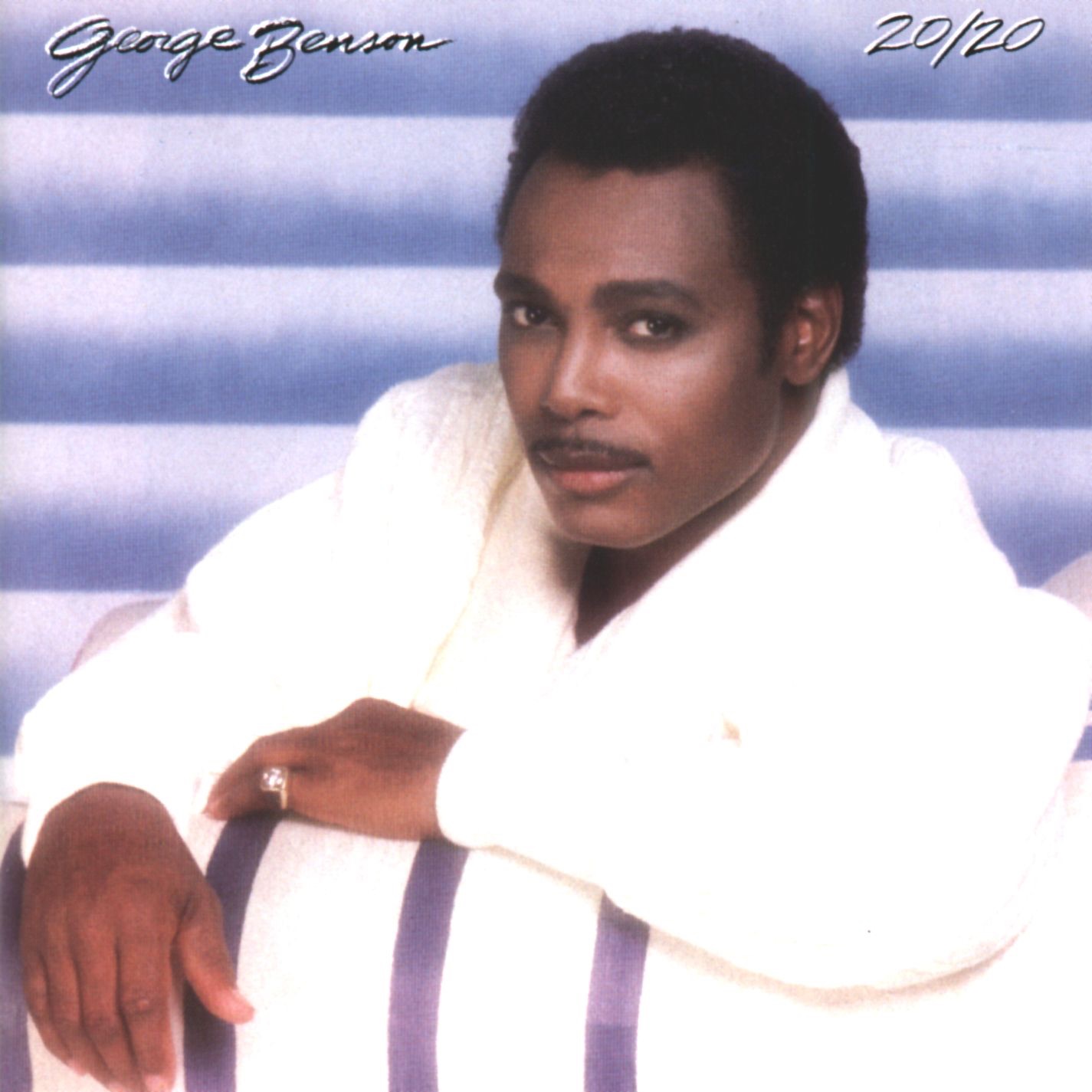
You Are the Love of My Life
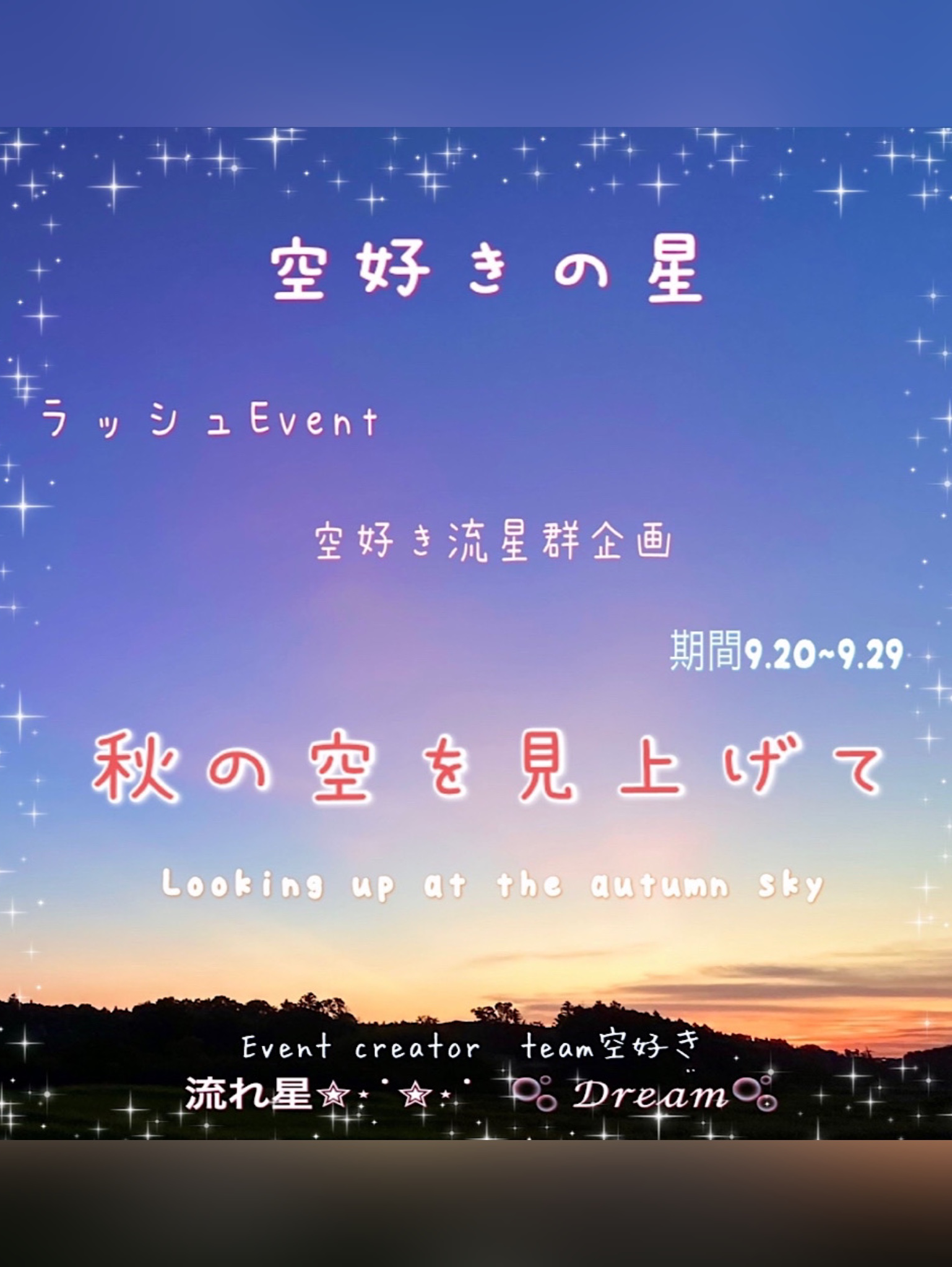
秋の空を見上げて
参加
 空好きの星
空好きの星 246
246
ハーロック
That person who is harsh on others and that person who is always sarcastic have failed and will continue to fail.
So, it's okay.
Try telling yourself that you're okay.
Saying it out loud will make you really feel okay.
#hope
 HSPの星581
 もっとみる 
関連検索ワード
新着

はちみ津
What Do People Think About Parallel Worlds?
This paper examines the psychology behind why people find hope in “parallel worlds,” drawing on observed cases of parallel worlds and the author's own experiences.
When feeling stymied by reality, many dream of rebirth in a parallel world. Some imagine fantastical realms, others envision a life of leisure free from toil, and still others picture worlds where competition itself does not exist. However, such rebirth desires often stem from an extension of the psychological phenomenon known as “the grass is always greener on the other side.”
Even inhabitants of materially prosperous worlds enjoying relative peace may dream of parallel universes. Yet even if transition to such a world were possible, there is no guarantee it would be safer or more abundant than the present. In fact, it is far more likely to be a world where life holds significantly less value, medical care and resources are scarce, and survival conditions are harsh.
Is this yearning for a parallel world merely an escape from reality? This question is by no means off the mark.
Even if reincarnation or interworld travel were somehow successful, what begins there is the urgent challenge of “survival.” Without that resolve, one should not lightly idealize another world.
That said, this point applies equally to the world I currently inhabit. Colonialist domination persists in some regions, urban areas grapple with antisocial forces and slums, and rural areas suffer social stagnation due to power concentration among the elderly. Furthermore, an environment where individuals can easily wield magic technologies and abilities that function as weapons inherently contains instability.
Even so, compared to the myriad parallel worlds, it could be said this one belongs to the relatively livable category.
13
つー
0077:MR.BIG/MR.BIG
In 1988, bassist Billy Sheehan, who left DAVID LEE ROTH BAND after recording the album SKYSCRAPER, set out to form his own band. Eric Martin, who had released two solo albums at the time and was talented but had not yet made his breakthrough, joined the band. They were further joined by Pat Torpey, formerly of Ted Nugent and Imperterri. Finally, they welcomed Paul Gilbert, guitarist of RACER X, who was attracting attention in the L.A. music scene at the time, completing the squad.
They made a demo and took it to record companies. They eventually signed with ATLANTIC/WARNER and began recording. Despite a low budget and tight schedule, they welcomed producer Kevin Ellison and completed their first album, "MR. BIG". It was released in 1989. At the time, they were strongly perceived as "that band formed by Billy Sheehan and Paul Gilbert," and their bluesy side rarely received much attention.
The times were harsh for bands like them, and they struggled to achieve the success they hoped for in their home country, the U.S. Nevertheless, they grew into a tight band, mainly playing clubhouse venues, including tours as the opening act for RUSH and on a package tour with WINGER.
Recommend:ADDICTED TO THAT RUSH, MERCILESS, HAD ENOUGH, BLAME IT ON MY YOUTH, TAKE A WALK, BIG LOVE, HOW CAN YOU DO WHAT YOU DO, ANYTHING FOR YOU, ROCK & ROLL OVER, 30 DAYS IN THE HOLE
44
Aki
This is my first post. Let's vibe! lol
Hi guys, I feel a little awkward being here, but I've always wanted to know what kind of people live in Japan, so I hope you won't be too harsh on this post. I'll be posting occasionally and asking questions about your lives, etc. :>
17
yui
Supporting your favorite things is something you do within your own limits, right?
ミューバンのKポ批判どうにかならないかな🥲
正直、KポとJポ(?)は一緒になるといいことがあんまりない気がする…。
#ミューバン
40 もっとみる
おすすめのクリエーター
shin
29歳。石川県。
フォロワー
0
投稿数
10064
ハーロック
僕は、うつ病からの生還者です。
病気を克服した時に学んだことや、日常の出来事を投稿しています。
よろしくお願いします。
フォロワー
0
投稿数
5695
臘数
考え事と備忘録を書く為に使っています●┓''ペコリンチョ
フォロワー
0
投稿数
896
key
I’m quietly leaving traces of my days here.
If my pictures can remind someone
of the beauty already living within,
that alone is enough.
日々の足跡を、残しています。
僕の写真が、誰かの内側にある美しさを思い出すきっかけになれば、それだけで十分です。
フォロワー
0
投稿数
387
はちみ津
気まぐれで動いている
理系に寄ってる高校1年生。
初恋はまだで、なんなら恋の概念すらあまりよくわからない。
恋愛はしたいわけじゃない。
結局僕はそういう人なんだろう
魔法は物理学で捉える
好きな構造式は
アデノシン三リン酸の構造式
フォロワー
0
投稿数
316