共感で繋がるSNS

人気

SENXIA
#男の娘

 95
95
たけ
The most important change in Kumite is that only hand techniques will be allowed
towards a downed opponent. Kicking a downed opponent will thus be a foul
組手における最も重要な変更点は倒れている相手に対しては、手技のみが認められます。
倒れている相手への蹴りは反則となります。
2
ゴウ
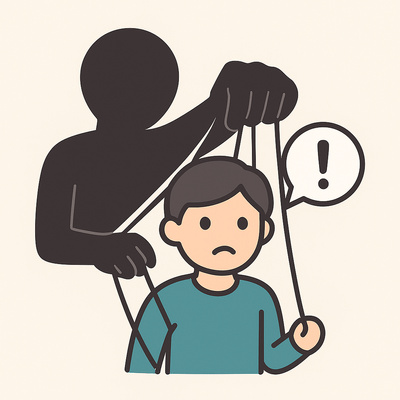
タッピングは身体の特定のツボを軽く叩きながら感情的な問題に焦点を当てることで、ストレスや怒り、不安などの感情を和らげる心理療法的手法です。研究結果や実践報告では、自己愛性パーソナルティ障害の被害者が抱える慢性的な怒りやトラウマ的感情の軽減に役立つ可能性が示唆されています。感謝解放は、被害体験に対して感謝の気持ちを持つことで心の負担を減らし自己肯定感を回復させる心理的技法で、これも心の安定に寄与するとされています。
 NPD被害者の星
 11
11
みのみの🍼👒🐊
Integration of Dissociative Disorders
4. Connecting Self-States (1) Stepwise Treatment
How can we connect separated self-states? Dissociation is a coping strategy for survival, separating frightening and overwhelming experiences from the self. Therefore, the process of reconnecting self-states accompanied by separated emotions, memories, and thoughts
must be conducted with caution. If trauma is accessed abruptly before the client is ready, there is a risk that past traumatic experiences may intrude and lead to re-traumatization. To address this risk,
a method known as graded exposure therapy is used to safely initiate treatment. Graded exposure therapy is widely supported by experts in dissociative disorders and is outlined in the treatment guidelines of the International Society for the Study of Trauma and Dissociation (ISST-D). It consists of three main stages: the first stage is “establishing safety,” the second stage is “recalling traumatic memories,”
and the third stage is “reintegration into daily life.” Howell (2011)
provides detailed descriptions of the key considerations for each stage, which are summarized below. The most important task in the first stage is establishing trust. In the case of clients with dissociative disorders, it is necessary to build a trusting relationship not only with the client in front of you but also with the multiple dissociated states of self. Howell (2011) describes this approach using the concepts of “coconsciousness” and “coparticipation.”
Coconsciousness refers to the shared awareness of the same mental, emotional, and perceptual states by two or more alter egos, which is essential for further harmony and collaboration within the internal system. Coparticipation means that multiple alter egos participate in the same activity simultaneously, which is also necessary for further harmony and collaboration within the internal system. Coconsciousness refers to two or more alter egos simultaneously sharing the same mind, emotions, and perceptions, which is necessary for greater harmony and collaboration within the internal system.
Coparticipation involves not just one person but multiple subjects participating in therapy, and by encouraging various personality parts to participate together, therapy can make significant progress. The methods for interacting with dissociative personality parts are: ① promoting shared consciousness and coparticipation, ② strengthening empathy among the parts, and ③ increasing information about the entire system. Here, attempting to force contact using hypnosis or similar methods is not advisable. Doing so could threaten self-states that are not yet ready to emerge. The therapist's impatience or desire may sometimes be perceived as a threat by the client, so it is essential to maintain honest and careful engagement in the initial first stage.
In the second stage, the therapist addresses the client's traumatic memories. Various hypnosis techniques are proposed to protect the client from the overwhelming emotions that arise when accessing terrifying memories (Putnam, 1989; Klu, 1993). Here, it is important to prevent the risk of re-traumatization and to ensure that dissociated memories are gradually recognized by the client.
In this process, as the therapist engages in dialogue with the dissociated self-states and as the dissociated self-states interact with one another, memories and emotions related to the trauma become evident and are shared.
In the third stage, reintegration into daily life occurs. By this stage, many dissociative symptoms have subsided, and the frequency of trauma recall has decreased, so the therapist supports the client in adapting to society. There is also the possibility that past traumatic memories may be recalled due to stimuli in daily life, so it may be necessary to return to the second stage and work on it again. In this way, the staged treatment is not linear but a process that moves back and forth according to the client's condition.
Translated with DeepL.com (free version)
513関連検索ワード
おすすめのクリエーター
みのみの🍼👒🐊
大阪の限界看護師 してます
スプリチアル、カフェ、飲み友、カラオケ、精神疾患、インフルエンサー、犬友募
足跡つけたりるーむウロウロしてます
投稿見て面白そうだったら勝手にフォロー️⭕️
いいね連打されると泣いて喜びます😂
いまはるーむやめてますが、キツめの自傷、希死念慮、躁鬱のアッパー、統失、乖離の陽性バリバリなったら連絡しましょ、るーむ行くかDMかプラベで話そー🧚♀️💫
フォロワー
0
投稿数
300
ゴウ
気の合う人と楽しく交流したいです。
フォロワー
0
投稿数
187
たけ
なんとなく登録しました。不慣れですが、よろしくお願いします。
フォロワー
0
投稿数
129
SENXIA
like music and swordsmanship
フォロワー
0
投稿数
12