
共感で繋がるSNS

人気

Taka
悲しすぎるだろ

 10
10

Jessie
113
リューク・カイ

doo dah!! winter!! (feat. Nagie Lane)
2
てん

回答数 635>>
INNOSENT in FORMAL
最近CM転職サイトFindyで使われてる曲です。
ドラゴンボールのブルマが出てるやつ
 音楽の星
音楽の星 1
1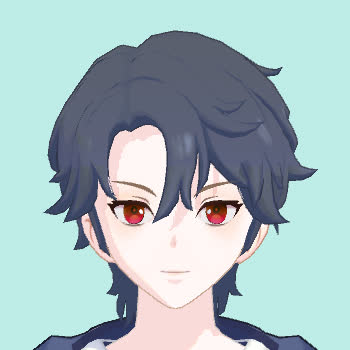
としゆき
回答数 22>>
Uber formal unentscheide Satze der Principia Mathemathica und verwandter System Ⅰ,
Monatshefte fur Mathematik und Physik 38,
pp. 173-198.
1931
もちろん完全に理解できてはいませんが、
好きという条件なので、
コレです
 数学の星4
数学の星4
せんだ ニキ
生成キーワード:
"character_description": {
"gender": "male",
"hair": {
"color": "gray",
"style": "short, curly"
},
"eyes": {
"shape": "narrow",
"color": "red"
},
"glasses": {
"type": "black-rimmed"
},
"origin": "Japanese",
"outfit": "casual or formal attire"
}


 23
23 もっとみる 
関連検索ワード
新着

Liam
Historically, tipping emerged from a hierarchical society in which nobles would offer small amounts of money to their servants as an act of patronage. Far from being a celebration of culture, it was an expression of inequality and dependence. Its continuation in modern societies is therefore not a matter of heritage, but rather an outdated economic trick.
In contemporary practice, tipping complicates transactions and obscures the real cost of services. What appears to be a voluntary act of generosity is in fact a mechanism through which businesses shift responsibility for fair wages onto the customer. This undermines both service quality and economic transparency. Service staff are incentivised not to provide consistently high standards, but to focus selectively on customers who seem likely to offer higher tips. Employers, meanwhile, reduce their tax burden by keeping base wages artificially low and treating gratuities as external supplements. The result is a system in which workers are underpaid, customers are misled, and public revenue is diminished.
A more rational and equitable solution is to abolish tipping as a formal expectation. Instead, service charges should either be included in the price of food and drink or collected uniformly as a service fee. This approach ensures clarity, fairness, and accountability: customers know the true cost, workers receive stable pay, and the state can tax wages transparently.
In conclusion, tipping should not be mistaken for culture. It is a relic of feudal patronage that survives today only as a means of concealing costs and transferring responsibility. Modern societies should recognise it for what it is: a flawed economic practice, and one best replaced by a fairer and more transparent system.
611
さりえる
Formal・Semi-formal・Infomalというのではニュアンスが全く違う。
真書体というのは公文書にも使われる文字のこと。古くは篆書体でしたが、のちに楷書体が真になりました。
行書体は草書体をベースに読みやすくした書体。古くは隷書体が行書体でしたが、楷書体が生まれると現在の行書体に変わりました。
草書体は篆書の崩し字です。ちなみに隷書より草書の方が先に生まれています。
16 もっとみる
おすすめのクリエーター
としゆき
セナ、コメント削除はさすがにどうかと思う。
フォロワー
0
投稿数
14025
Taka
都内新宿勢⭐️
なんか幸せになれそうなことを呟く人。
好きなことを一緒にシェアできると嬉しいです😃
フォロワー
0
投稿数
2458
せんだ ニキ
半分アラフォーの
在宅じゃなくなった、、、
タダのワーカー(´•̥̥ω•̥̥`)
物作りやガジェット、クリエーター好き
よろしくですm(_ _)m
フォロワー
0
投稿数
930
リューク・カイ
04 サイレントヒル住み
気になったらとりあえずフォローしてみ
好きな音楽の投稿ばっかりします(洋楽多め)
フォロワー
0
投稿数
512
さりえる
アニメ・漫画・小説(歴史小説〜ラノベまで)好き。活字と漢字ダイスキ星人です(笑)
小説は読むのも書くのも好き。歴史小説を投稿サイトで連載してます。
おしゃべりも好きです。
趣味は茶道と歴史、和歌を詠むこと。
フォロワー
0
投稿数
192