
共感で繋がるSNS

人気

自家製まよねーず
環境音楽(Environmental)の創始者とメタルの創始者のひとりのコラボ。
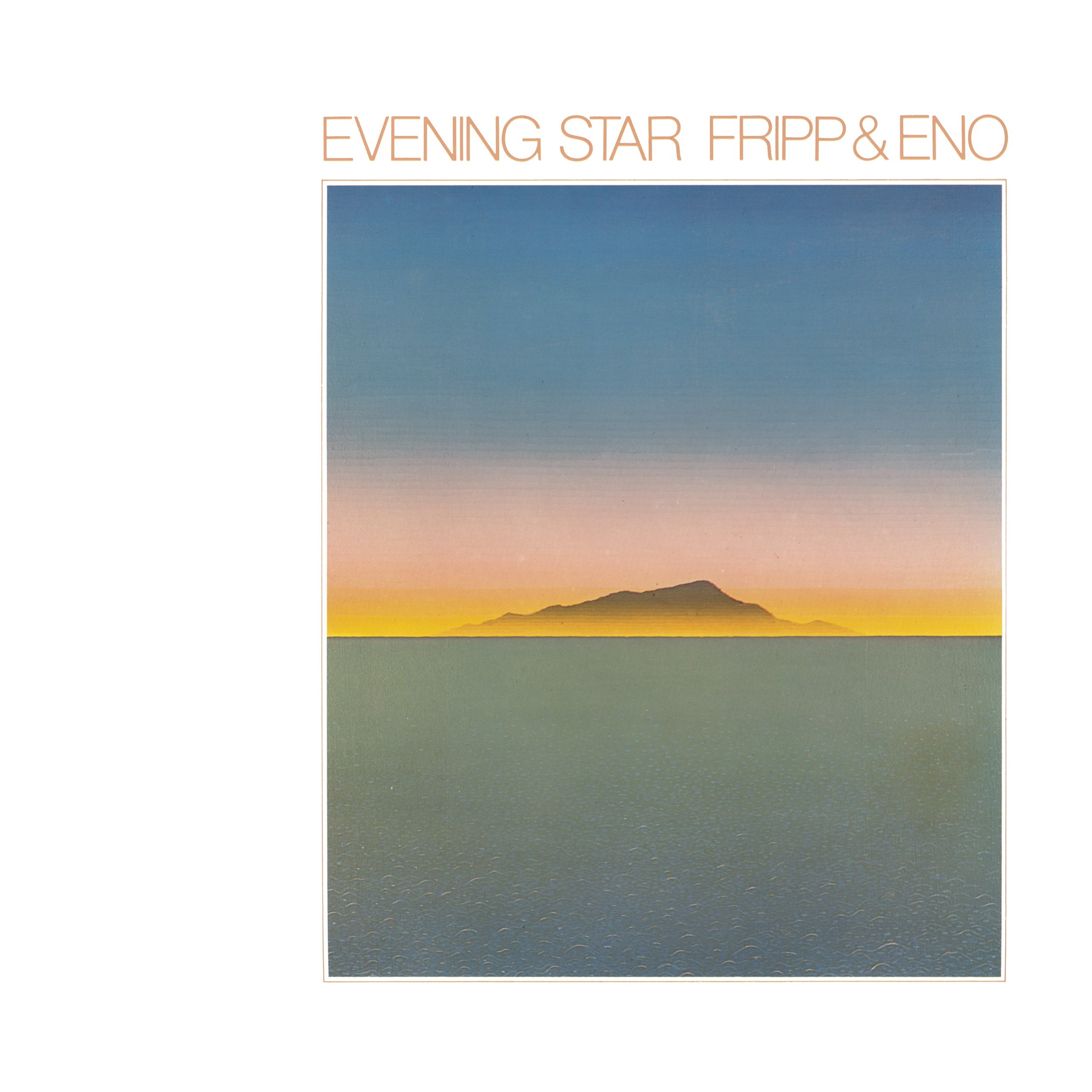
Evening Star

 9
9

nodasanta
Although there are environmental issues, I support solar power generation over nuclear power generation. The advanced country of Germany 🇩🇪 has been quick to install Japanese-made solar panels on the tops of various buildings, factory roofs, schools, government offices, etc. Even though Japan is lagging behind, I support Tokyo Governor Koike.
 1
1
ぼけちゃんだるー
It's better to compare CO2 to a 4-ton truck than to a bar of chocolate...
That's an interesting perspective! If we convert CO2 emissions into "the distance traveled by a 4-ton truck" or "the number of bars of chocolate," we can get a more realistic sense of how much of an environmental burden our lives are causing.
---
🚚 How much CO2 is emitted by one Japanese person?
Prerequisites
• Annual CO₂ emissions per Japanese person: Approximately 8.5 tons (8,500 kg)
• Fuel efficiency of a 4-ton truck: Average approximately 4 km/L (diesel)
• CO₂ emitted by burning 1 L of diesel fuel: Approximately 2.6 kg
Calculation
8,500 kg ÷ 2.6 kg/L ≒ 3,270 L (equivalent annual fuel consumption)
3,270 L × 4 km/L ≒ 13,080 km
✅ In other words, the CO₂ emitted by one Japanese person in a year is equivalent to driving a 4-ton truck for approximately 13,000 km! (Approximately 17 round trips between Tokyo and Osaka)
---
🍫 How many chocolate bars is that?
2
ゆきぬ
However, when it comes to more macro-level issues—like creating fair social systems or tackling environmental problems—their interest drops off sharply. They feel little to no responsibility for anything beyond what they can directly see or affect.
Take the issues of aging population, declining birthrates, or climate change. There’s a deeply rooted atmosphere of “someone else will deal with it.” Very few people are willing to become that “someone.” Instead, they focus on doing what’s right in front of them, with little regard for the underlying systems or the long-term future. And that, in itself, is one of the limits of Japanese society.
So in the end, while people may be good at maintaining immediate order, most have no real interest in the long-term sustainability of society or what Japan will look like a hundred years from now. As a result, problems that aren’t yet visible keep growing under the surface. The so-called “high civility” of the Japanese isn’t especially exceptional by global standards—it’s simply a way of preserving peace in the here and now.
13
㈶えか🧩☃️*⋆
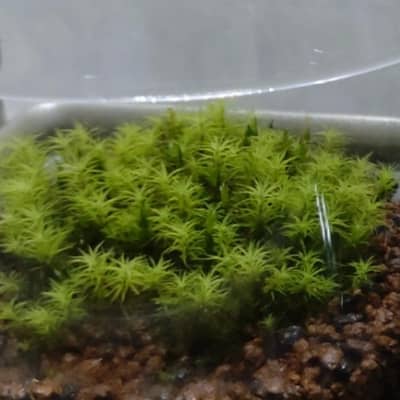
コケの胞⼦、宇宙でも⽣き延びる
〜持続可能な宇宙居住への第⼀歩〜
研究結果🌱🌱
本研究により、ヒメツリガネゴケの胞子が実際の宇宙環境下でも長期間生存できることが確認されました。ISSの船外に約9か月間曝露された胞子は、地上に回収後、80%以上が正常に発芽しました。
今回の成果は、コケ植物が宇宙空間の真空、宇宙放射線、微小重力、極端な温度変動といった過酷な環境を耐え抜き、生存できることを実験的に証明した初めての重要な成果です。特に、コケの胞子は種子植物の種子に相当する生殖構造体であり、本研究により「コケの種子」が実際の宇宙空間で生存可能であることが初めて明らかになりました。すなわち、コケは単なる地上のモデル植物にとどまらず、宇宙環境下でも生命を維持できる生物学的システムとして機能し得る可能性を示唆するものです。
さらに、本発見は、植物が宇宙空間で生存し得る生理的・物理的限界について新たな知見をもたらすとともに、将来的には宇宙生態系の構築及び長期宇宙滞在に向けた生物ベースの生命維持システム(BLSS)開発の基盤となることが期待されます。
論文情報🌱🌱
論文名
Extreme Environmental Tolerance and Space Survivability of the Moss, Physcomitrium patens(ヒメツリガネゴケの極限環境耐性と宇宙空間での生存性)
 natureの星
 219
219
ひろ✨
🧪 自然科学(Natural Sciences)
自然界の法則や現象を解明する学問
1. Mathematics(数学)
2. Statistics(統計学)
3. Physics(物理学)
4. Chemistry(化学)
5. Biology(生物学)
6. Geology(地質学)
7. Astronomy(天文学)
8. Environmental Science(環境科学)
9. Ecology(生態学)
10. Marine Biology(海洋生物学)
11. Botany(植物学)
12. Zoology(動物学)
13. Medicine(医学)
14. Nursing(看護学)
15. Pharmacy(薬学)
16. Dentistry(歯学)
17. Veterinary Science(獣医学)
18. Public Health(公衆衛生学)
19. Agricultural Science(農学)
⸻
🏛 人文科学(Humanities)
人間の文化、歴史、思考、芸術などを扱う学問
1. Philosophy(哲学)
2. History(歴史学)
3. Ethics(倫理学)
4. Logic(論理学)
5. Linguistics(言語学)
6. Literature(文学)
7. Religious Studies(宗教学)
8. Theology(神学)
9. Art History(美術史)
10. Performing Arts(舞台芸術)
11. Musicology(音楽学)
12. Design(デザイン学)
13. Film Studies(映画学)
14. Cultural Studies(文化研究)
15. Gender Studies(ジェンダー研究)
⸻
🌍 社会科学(Social Sciences)
人間社会や制度、行動を研究する学問
1. Sociology(社会学)
2. Psychology(心理学)
3. Anthropology(人類学)
4. Political Science(政治学)
5. Economics(経済学)
6. Law(法学)
7. Education(教育学)
8. Criminology(犯罪学)
9. Business Administration(経営学)
10. Accounting(会計学)
11. Finance(金融学)
12. Marketing(マーケティング学)
13. Communication Studies(コミュニケーション学)
14. Media Studies(メディア学)
15. International Relations(国際関係学)
16. Geography(地理学)
17. Development Studies(開発学)
⸻
🧩 分類が重複・横断的な学問(応用・技術系)
これらは自然科学と社会科学、あるいは人文科学の中間に位置することが多く、応用系の性質をもつ学問です:
• Engineering(工学)
• Mechanical Engineering(機械工学)
• Electrical Engineering(電気工学)
• Civil Engineering(土木工学)
• Architecture(建築学)
• Computer Science(情報科学)
• Information Technology(情報技術学)
• Artificial Intelligence(人工知能学)
• Education Technology(教育工学)
 英語学習14
 もっとみる 
関連検索ワード
おすすめのクリエーター
自家製まよねーず
見かけも体組成計の値も五十代な、古希前。名前に反してマヨラーではありません。投稿はほとんど4年前に始めた手料理。メキシコ料理も。自分は5月生まれなので、メイちゃんずと仲良くしたい。趣味の音楽は、プログレと言うジャンル。写真の上では魅力的な女性によくフォローされますが、日本語能力で、すぐ外国人だとわかる。
フォロワー
0
投稿数
3196
ひろ✨
32、哲学、恋愛、就職・転職、お笑い政治経済、🇺🇸🇯🇵ドル円、Java、英語、法律、AI、ディープラーニングG検定、メンタルヘルス、基本情報、うつ病、愛知、名言、政策金利
フォロワー
0
投稿数
2216
㈶えか🧩☃️*⋆
笑顔で過ごしたい☺️ εε🦀
ε🦀 εε🦀 ε🦀
ε🦀
ε🦀
解離性障害(転換性障害(両脚脱力))、鬱
精神障害手帳2級
人生リスタート2年目だよ☺️💐
苔テラリスト、ハーブ栽培家🌿.∘
フォロワー
0
投稿数
1754
nodasanta
長年生きて来て色んな人の生き方を見てきました、そんな中で面白いお話とお絵描き作品と音楽を紹介して行きたいと思っております、不定期ですが宜しかったらお付合い下さい。
フォロワー
0
投稿数
694
ゆきぬ
麻雀好き個人主義者、夜型人間、
お絵描き、ルービックキューブも好き
文章は構造化の発露、絵は閃きの外化
#左利き#MENSA会員
フォロワー
0
投稿数
613