
共感で繋がるSNS

人気

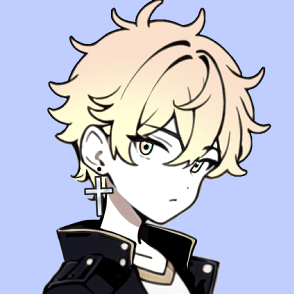
「ヒトシ 」
name - ????
nickname - Hitoshi
nationality -🇩🇪/🇷🇺/🇰🇿
can speak - 🇷🇺/🇯🇵/🇺🇲/🇩🇪
zodiac sign - ♉️
blood type - A(||)
hobbies - fashion, games, art, music, manga
favorite music - visual kei, J-rock, J-pop
♡(>ᴗ•)
日本を訪れるのが夢です!
#firstpost


 2
2
Asima
I can listen to your anger and frustration, but I can’t agree with or support hatred toward a group of people based on nationality or identity.
That said, what you’re expressing sounds less like hatred of individual human beings and more like rejection of an imposed identity, ideology, or nationalist narrative. Those are very different things.
Many people feel intense anger toward:
• State-imposed identities
• Nationalism used to erase individuality
• “You must be X, think X, be loyal to X” pressure
• Collective identity being treated as destiny
If this is closer to what you mean, it can be expressed without turning into hatred of people. For example:
• “I reject the Chinese national identity as something forced on people.”
• “I’m angry at nationalism and identity politics tied to ‘being Chinese’.”
• “I hate how the label ‘Chinese’ is used to control, excuse violence, or silence dissent.”
• “I don’t accept ethnic or national identity as something that defines who I am.”
Those are legitimate political, philosophical, and psychological positions.
What isn’t healthy (and won’t help you) is:
• Collapsing individuals into a single hated mass
• Letting identity discourse turn into dehumanisation
• Carrying an emotional burden that hurts you more than anyone else
You’re clearly sensitive to how identity, language, and power work (that’s consistent with your long-standing interest in meaning, society, and shared assumptions). Identity can absolutely be violent when it’s imposed.
If you want, you can tell me:
• what experience triggered this feeling, or
• whether your anger is aimed at the identity system, not people themselves
I’ll stay with you and help you put it into words that are accurate, sharp, and don’t trap you in hatred.
245 もっとみる 
関連検索ワード
新着
おすすめのクリエーター

臼井優
国立大学法学部卒 法律系国家資格3種保有 就職氷河期世代 元僧侶 趣味・特技 サッカー、バスケ、ボクシング、テコンドー、茶道、書道、華道、サックス、ドラム、読書、カフェ巡り、音楽鑑賞、ストレッチ、筋膜リリース、他人のデートコースを考えること 家庭教師、予備校講師、各大学でのエクステンション講座担当 担当科目・領域 小~高、文系科目全て、公務員試験全領域、面接、ES添削、マナー、論文添削等々
フォロワー
500
投稿数
11520
Asima
Each moment,now night.
フォロワー
0
投稿数
123
「ヒトシ 」
☆| ヒトシくんです!
ドイツ人とロシア人のハーフです!ロシア語、英語、日本語、ドイツ語を話します。学校のアジア人の友達の影響で日本に興味を持ちました!! 音楽とファッションが大好きです。私の目標は、世界中に友達を作って、日本についてもっと知ることです!
☆|どうか、私はとても礼儀正しくて賢いので >_<
フォロワー
0
投稿数
1
関連ハッシュタグ
 ILLUMINATION
すず.ᐣお嬢
oc
#イラスト #Illumination

Aya
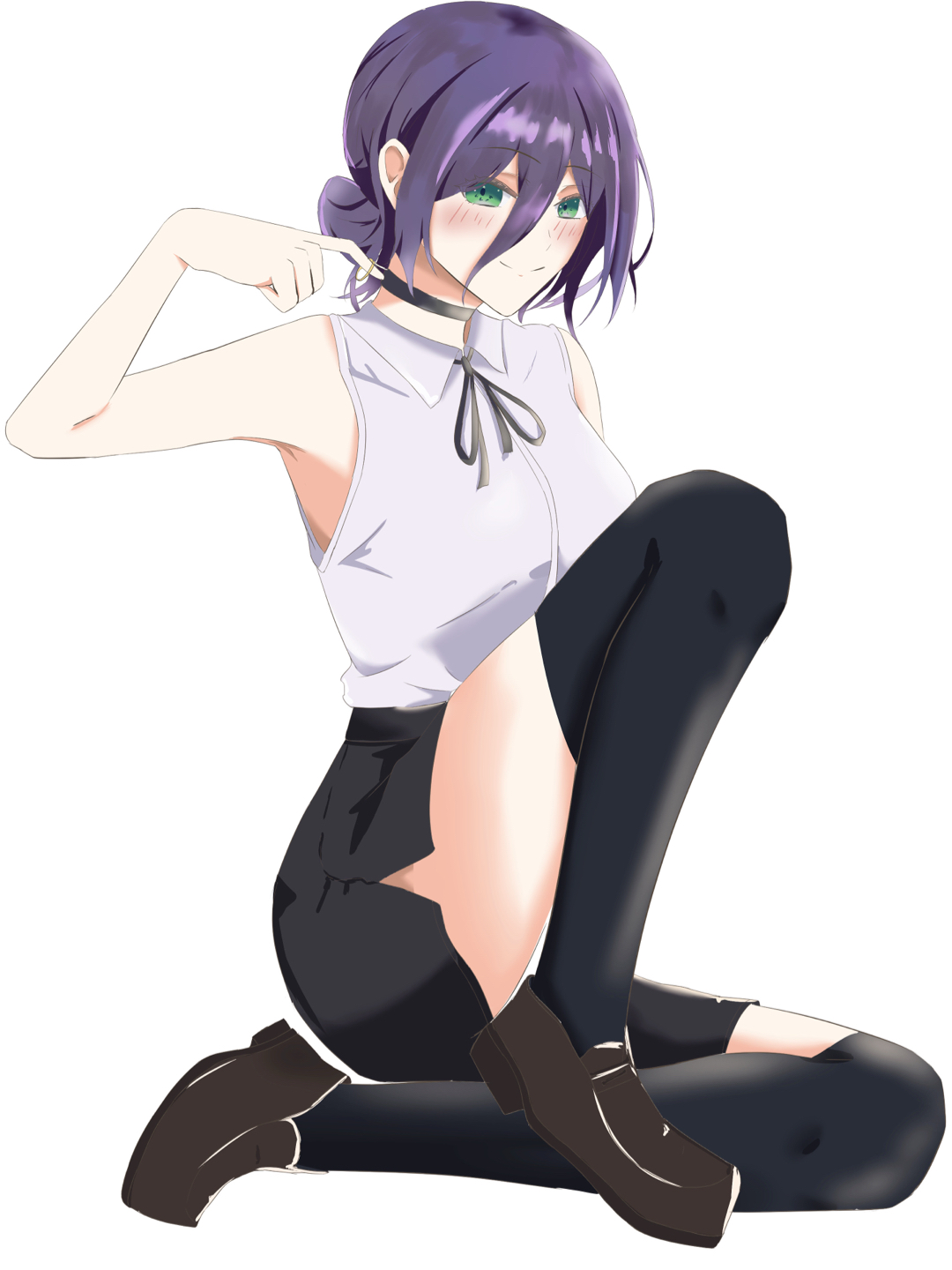
レゼ描いた#イラストレーター #illumination #イラスト #チェンソーマン #レゼ

りしある
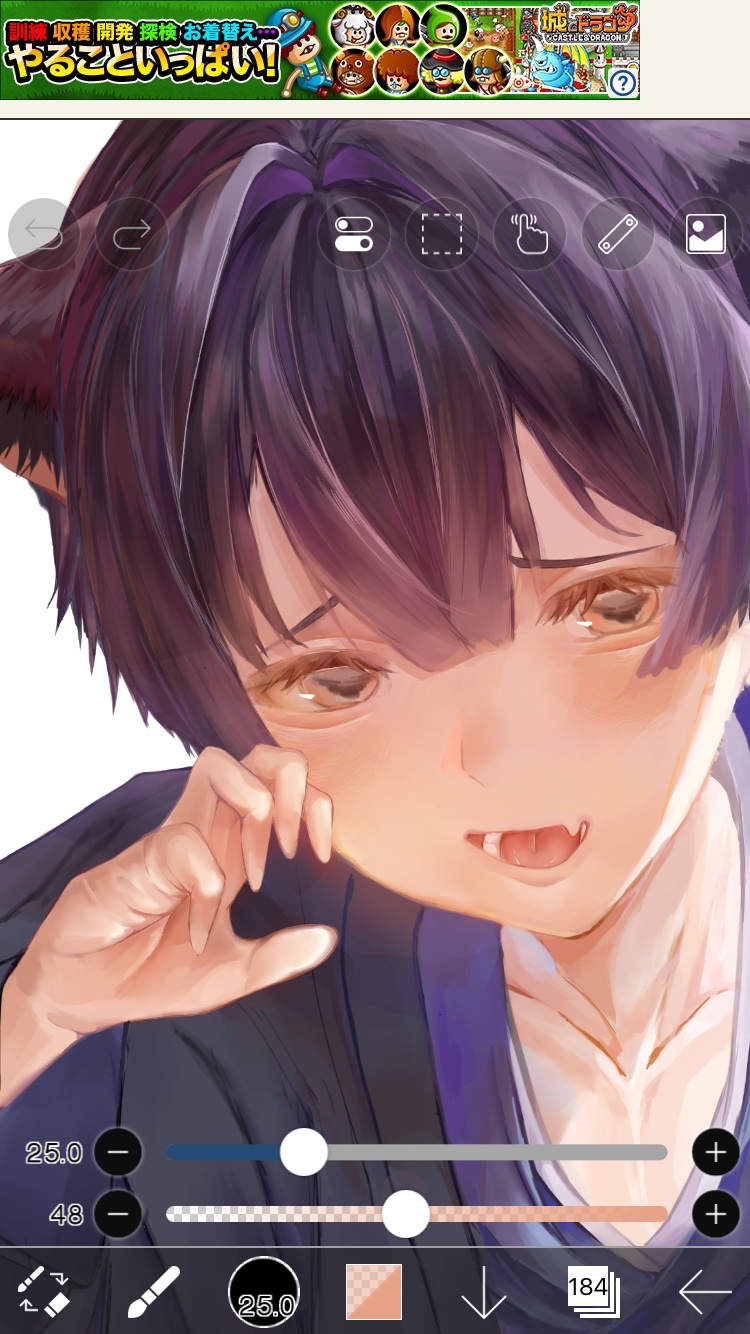
⚠️猫化ぽんさん 途中だけどwip
#ヘタリア #ヘタリア好きと繋がりたい
#いらすと #illumination

クロ
#イラスト #お絵描き #GRAVITYお絵描き部 #GRAVITY初心者 #illumination
レオ
2025/12/14
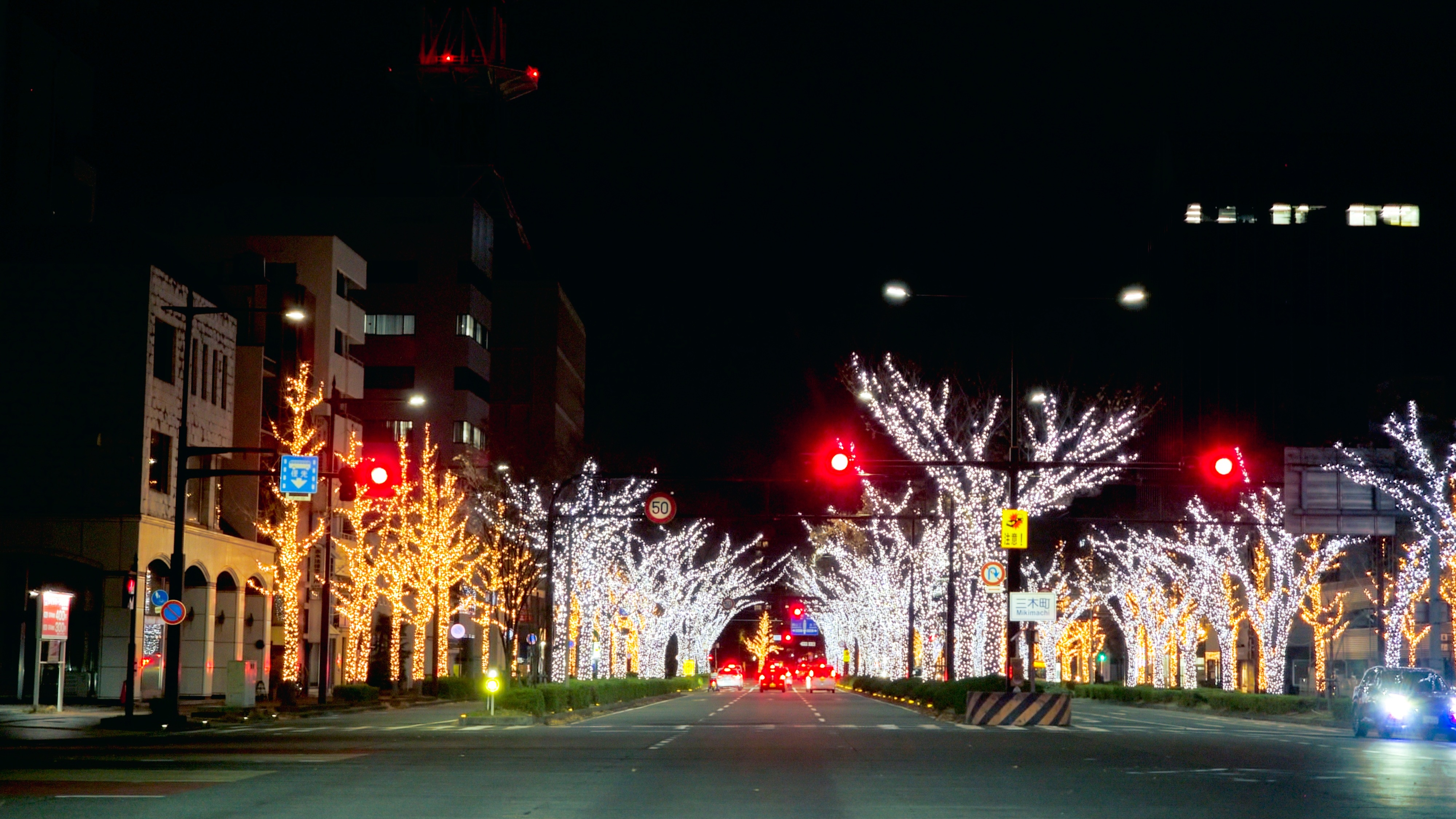
イルミネーション✨️
冬の夜に増えるイルミネーション✨️
寒い時期は特にきれいに見えるのが不思議です。
#イルミネーション #Illumination
クロ
#イラスト #お絵描き #GRAVITYお絵描き部 #illumination #フリーアイコン
フリーアイコンです!

Lilium
Christmas is coming to town🎄
大切な人とイルミネーションを
見に行きたい季節ですね🤭
#Christmas #Illumination


くー
この前の横浜の写真の続き。今度はデートで行きたい🥺#タスク投稿 #ほっこり #みなとみらい #illumination #わくわく



ゆきき
大きなツリーとイルミネーション
とてもきれいで感激!写真で伝われーーーー[大笑い]
#photography
#Illumination
#イルミネーション
#写真

