
共感で繋がるSNS

人気

あめま
「WAKARASE」

 9
9

lucky中年8
destroy tradition
direct action
대박


Lifestyles
2
フット・サラオ
45
いぇみ
ここ数年は、London traditionのを着ています。
211
投機リ
#KyotoCharm
4投機リ
#KyotoCharm
投機リ
#KyotoCharm
6
鮭おに
1 もっとみる 
関連検索ワード
新着

サエ
毎日5問 IELTS Speaking Task1/Day16
76. What equipment do you need for your favourite sport?
A yoga matt is required to attend the class. You can do yoga as long as you have one matt, simple clothes and plenty of water. Nothing else is needed.
77. What is your favourite food? Please also explain why.
Yakiniku, Japanese grilled beef, is my favorite. Yet I love all kinds of food, and I don’t have any specific dislikes. I’m proud of myself for that.
78. Do you like cooking? Please also explain why.
Yes, I do love cooking. That’s because I was interested in how to improve it. I used to be frustrated with my bad cooking. So I called my mother for advice many times on the phone, then I learned some knowledge and practice the basics. Now I’m able to do it without any given recipe and kitchen scales.
79. What’s your favourie festival?
I have some favorite festivals. For instance, Karatsu-kunchi in Saga reminds me of a cherish childhood memory somehow. It is called “Okunchi” among locals, which is a Japanese tradition one.
80. Do you think festivals are important for a society?
I believe that festivals play an important role in connecting with people. People gather where people are, and cultures are born.
昨日の分
明日は80.をちゃんと組み立てて書く日にしよう
15
Look
I've always been fascinated by Japan's beautiful culture and the balance between tradition and modern life. I would love to learn about it from a local's perspective and, in return, share stories about life in Hong Kong.
A little about me: I'm a curious person who enjoys simple pleasures—exploring new city streets, watching movies, and of course, enjoying great food. (I absolutely love ramen and sushi!).
To help us connect, I can communicate in English, Cantonese, and Mandarin. For writing, I use English and Traditional Chinese.
My goal here is to find a sincere penpal for meaningful conversations. We can talk about our cultures, hobbies, dreams, or just the little things that make our day special.
I believe the best friendships start with a simple "hello". If you're curious and would like to chat, please don't hesitate to send me a message. I'm really looking forward to hearing from you! 🙂
440
Liam
Historically, tipping emerged from a hierarchical society in which nobles would offer small amounts of money to their servants as an act of patronage. Far from being a celebration of culture, it was an expression of inequality and dependence. Its continuation in modern societies is therefore not a matter of heritage, but rather an outdated economic trick.
In contemporary practice, tipping complicates transactions and obscures the real cost of services. What appears to be a voluntary act of generosity is in fact a mechanism through which businesses shift responsibility for fair wages onto the customer. This undermines both service quality and economic transparency. Service staff are incentivised not to provide consistently high standards, but to focus selectively on customers who seem likely to offer higher tips. Employers, meanwhile, reduce their tax burden by keeping base wages artificially low and treating gratuities as external supplements. The result is a system in which workers are underpaid, customers are misled, and public revenue is diminished.
A more rational and equitable solution is to abolish tipping as a formal expectation. Instead, service charges should either be included in the price of food and drink or collected uniformly as a service fee. This approach ensures clarity, fairness, and accountability: customers know the true cost, workers receive stable pay, and the state can tax wages transparently.
In conclusion, tipping should not be mistaken for culture. It is a relic of feudal patronage that survives today only as a means of concealing costs and transferring responsibility. Modern societies should recognise it for what it is: a flawed economic practice, and one best replaced by a fairer and more transparent system.
611 もっとみる
おすすめのクリエーター
lucky中年8
君とみんなのLUCKY野郎→難しい時代は去ったこれからは個性の時代
なになにしなければいけないとかもうそういうことはよしましょう
毎日感謝毎日フリーStyle 気楽にstay free punks
フォロワー
0
投稿数
8049
いぇみ
夜泳いでいます。日々の泡
フォロワー
0
投稿数
675
Liam
日本語, 英語, スペイン語 ok.
台湾華語, 広東語, ハングルを習得したい.
全てのジャンルの音楽を聴きます.
日本楽しい
フォロワー
0
投稿数
58
フット・サラオ
英語日記用サブ垢。日本人です。since 2025.1.14
フォロワー
0
投稿数
54
サエ
鍵盤に貼りついている
おサボり上手の英語日記、毎日更新中🆕
フォロワー
0
投稿数
52
関連ハッシュタグ
 INSTANTRADIO
日本史らぶ
長期会員の友達の整理番号すごすぎて羨ましいけど、Bでも楽しめたから^^
#SEKAINOOWARI #INSTANTRADIO


とんてき
FCツアー落ちました!!!😭
つらいよー՞߹ - ߹՞
#INSTANTRADIO #SEKAINOOWARI

しゅん
久々のセカオワ楽しみだ〜!!
#INSTANTRADIO



華菜乃 (かなの)
#セカオワ
#INSTANTRADIO グッズ
映画「不思議の国でアリスと」
2025年8月29日公開‼️
主題歌 SEKAI NO OWARI 図鑑


しゅん
改めて一番好きなアーティストがセカオワだなって思ったライブだった
7月もjoinで見れるし楽しみすぎるよ
#INSTANTRADIO #SEKAINOOWARI


そら
嗚呼、、落選😢
いいLIVEになりますように✨
#セカオワ
#Zepp
#INSTANTRADIO
華菜乃 (かなの)
#SEKAINOOWARI
#FANCLUBTOUR2025
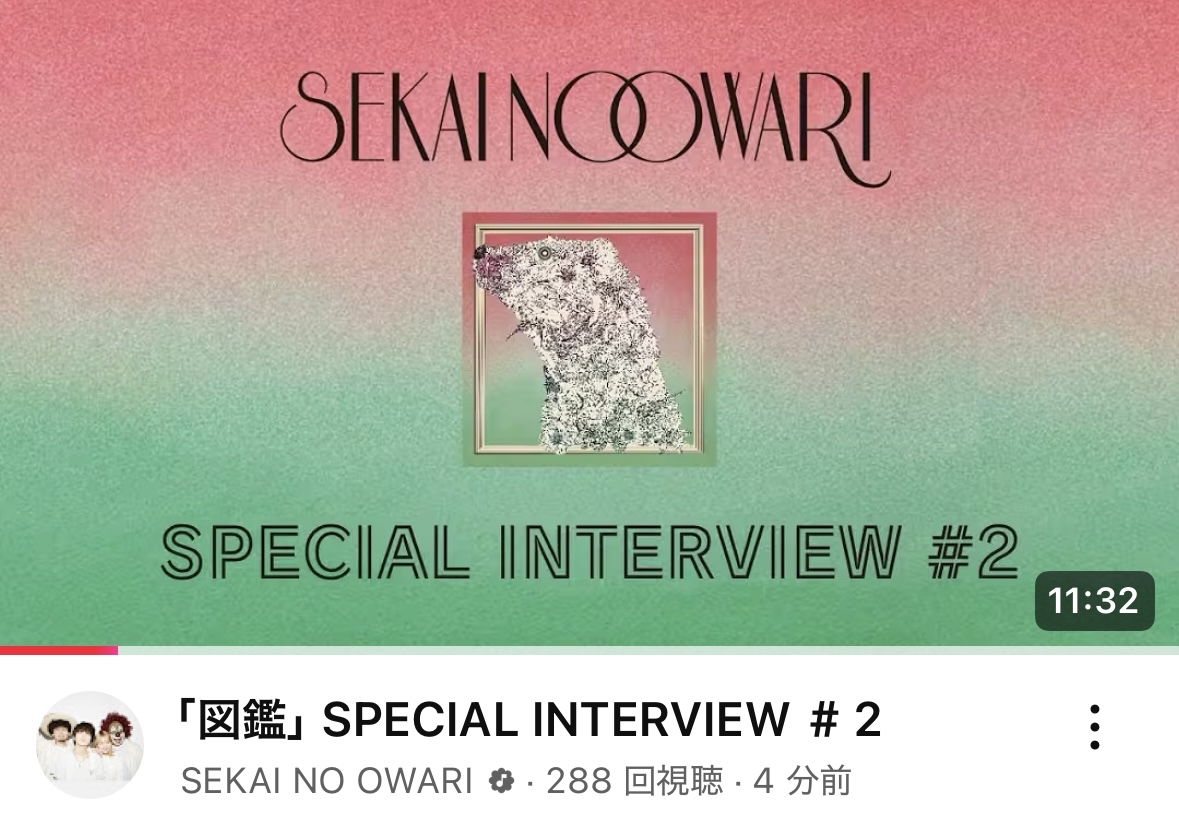
#INSTANTRADIO を振り返ってのインタビュー

みかん
個人的に今までで一番のセトリだった
#INSTANTRADIO



もち
セカオワファンのみなさん
Zeppでこの名前読まれてたら教えてください‼️
#SEKAINOOWARI #セカオワ #INSTANTRADIO
